
Sophia McEvoy - Sophia McEvoy Ceramics
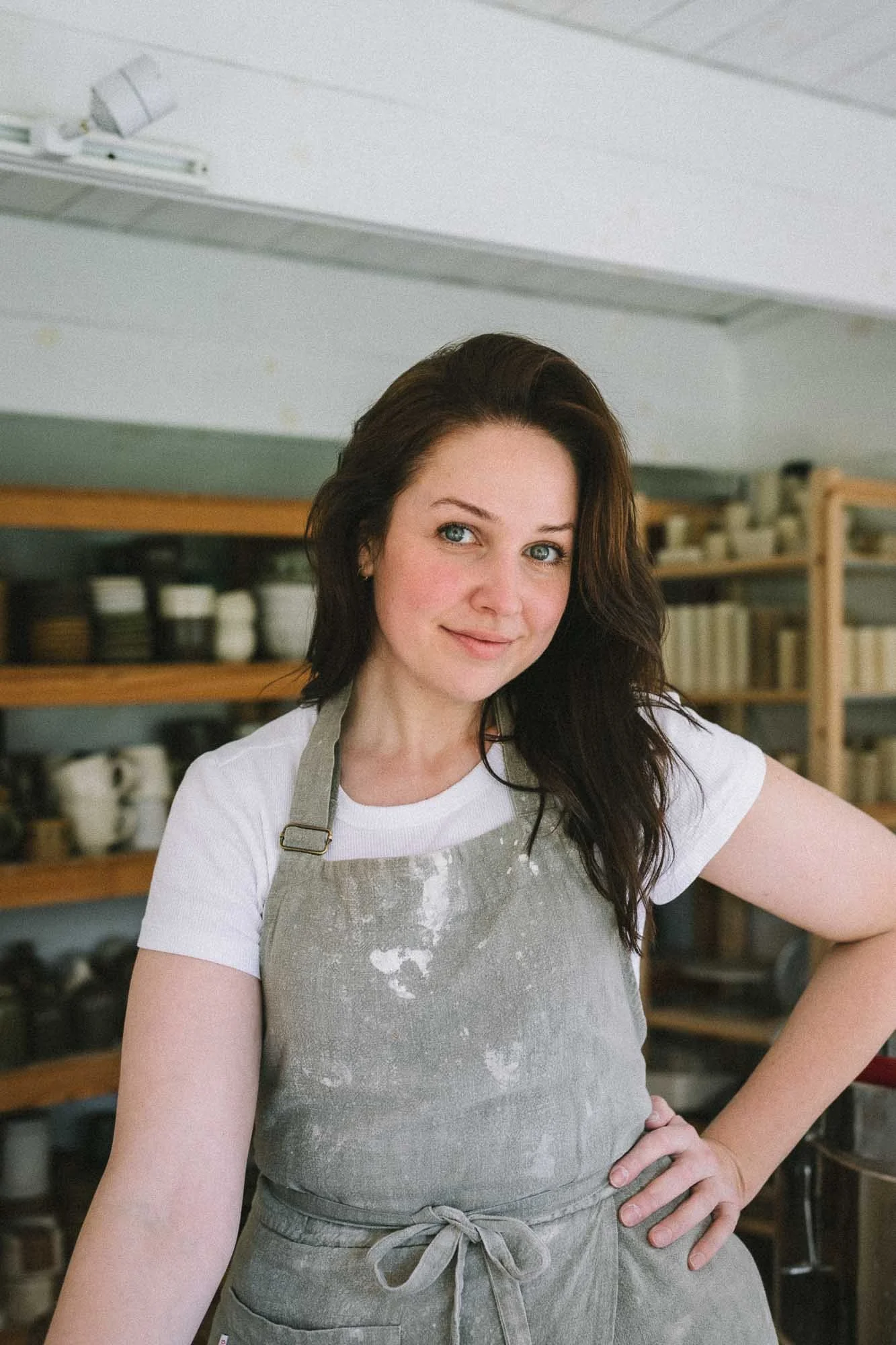
We met Sophia on a sunny autumn day and spoke about her journey into ceramics, and so much more besides. We’ve long admired her pieces and her passion, so inviting her to be part of our very first RE STORE shop edit was a complete no-brainer.
At the time, the space itself hadn’t even been created — but Sophia instantly understood our vision. That shared instinct made the collaboration feel effortless from the start.
Here’s a little backstory on Sophia, her beautiful work, and the process behind it. We’re sure you’ll agree we’re incredibly lucky to have discovered such a talent right on our doorstep. It doesn’t get much better than that — and we couldn’t imagine a more perfect first choice for our shop.
Your work has a very tactile, grounded quality. How does your environment influence the way you design and create your ceramics?
I’m very inspired by natural colours and textures and the way nature’s colour palette is so harmonious. The view from the studio is a constant source of inspiration; looking out onto the garden and field beyond means I get to watch the seasons change in detail, making me feel very connected to and a part of something that inspires me so heavily.
What first drew you to clay as a medium, and what keeps you committed to it today?
I was introduced to the material at school at 16 and just fell in love with the idea that I could make beautiful, functional things from such a basic material, a fundamental element.
Now it’s my career. Though there are many stressful elements about running a creative business, the material and the enjoyment of working with it are the same. It requires the same rhythmic, soothing and methodical processes that can’t be rushed.
Creating a mug requires the exact same method as it did 1000 years ago. The equipment and technology might have changed but the process remains the same and I love the historical connection that creates.
Many people associate ceramics with function as well as beauty. How do you balance practicality with artistic expression in your pieces?
I’m a great believer in really finding that balance. I think functional pieces can and should be beautiful, but never at the expense of the user experience.
I tend to lean toward function in the form – ensuring the handle of a mug is proportional and comfortable, that the rim is slim and refined, and fits easily into the corners of the mouth. These functional design elements can be beautiful in themselves when designed and considered. Where my artistic expression flourishes is in the glazes. The pieces I create are often simple in form, a canvas, and the glazes are the paint; they are dynamic, earthy and have depth and layered details.
Can you describe your creative process—from the first idea to a finished piece?
When designing a new piece, it usually begins with a personal need or desire. I imagine the space it will live in, considering the interior and how its style will influence the shape and complexity of the design. I then sketch ideas and create prototypes on the wheel, like sketching in 3D by throwing in real time. These prototypes help me assess proportion, functionality, user experience, and whether the piece looks ‘right’.
The making process is detailed and varied. For a mug, I throw the body on the wheel, then trim the base and refine the rim once it’s firm enough. I form the handle from a slab of clay and attach it securely. After drying for 4 days to 2 weeks, it is fired at 1000°C. It is then glazed and fired again at 1230°C. Once finished, I polish the base, and the mug is ready to go out into the world.
How do you want people to feel when they use or live with one of your ceramics?
I like to hope that somebody has invested in a piece of mine not simply because they find it beautiful or that it fits with their interior, but because they feel a connection to the very act of the process, of making something by hand. That, by its nature, is a much more considered, sustainable and significant way of gathering and collecting.
What role do slow making and craftsmanship play in a world that often prioritizes speed and scale?
Nothing can be rushed with pottery – you can’t force or speed up the timeline and if something goes wrong, you have to start again. You can only move as fast as the clay will allow and often you must move slowly and you have to wait.
This non-negotiable speed and the limitations that speed places on how much I can produce in any given month mean that there is a natural, gentle rhythm it creates for me in the studio.
Are there particular themes, stories, or emotions that you consciously return to in your work?
Sanctuary and respite, particularly at home, are huge themes for me in life, so these themes naturally feed into my work. I believe the home should be a comforting, beautiful retreat, one that you could sit quietly in without the distraction of screens and noise and feel entirely comforted, inspired and held by.
My home and studio are where I feel safest and most at peace, and so I both consciously and subconsciously create pieces that will complement and add to my enjoyment of those spaces.
At Restaries we love Mother Nature’s colour palette, what inspired the beautiful colours in your current range?
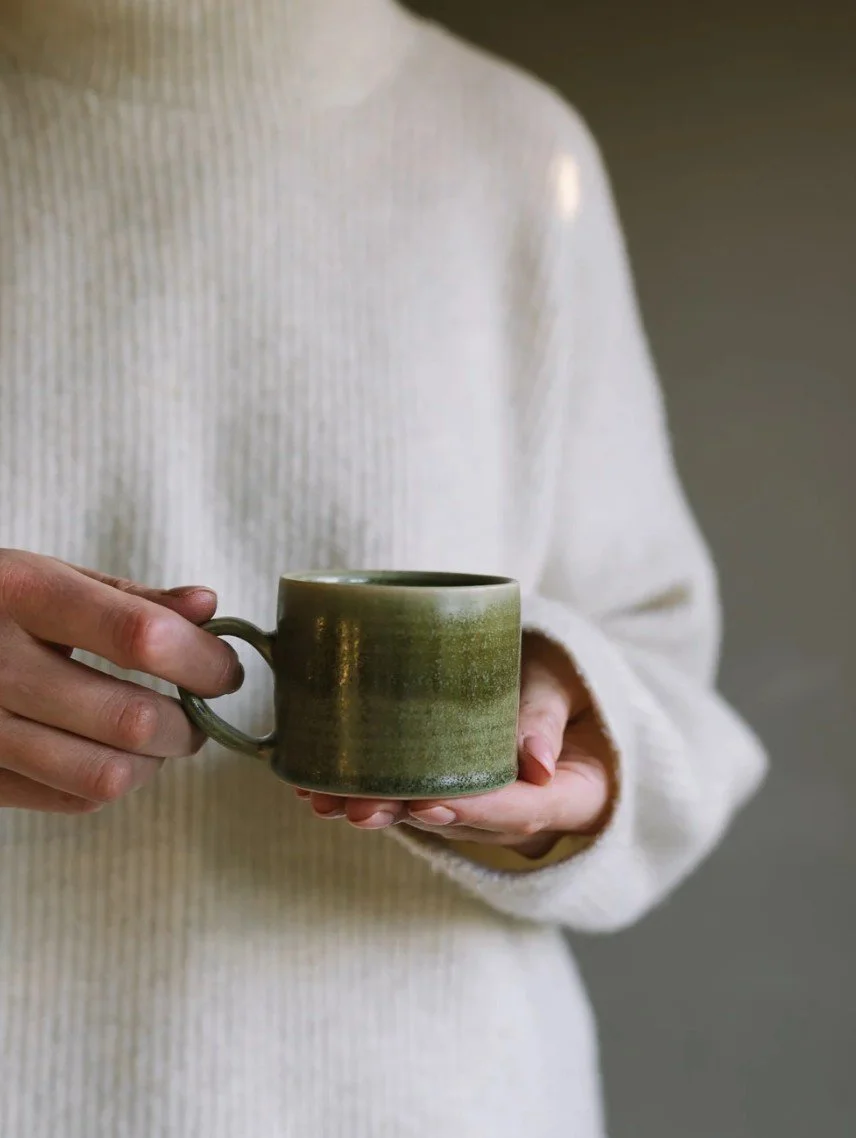
Looking out onto the changing seasons, I’m constantly looking to emulate the colours I see moving through the garden. My earthy green glaze, Moss, is directly inspired by the rich, almost bronze greens of the hedges that face the studio. My ochre glaze, Toffee, draws on the colours of my favourite tree at the bottom of the, a copper beech that is a briefly a deep, flaming orange in autumn. My earthy, bronze edged Flint has the variation and patina of aged and textured surfaces, natural rock, worn paths and gnarled wood. These are all within constant view from the studio, so my colours feel in sync with the environment in which they were made.
And finally - Why did you decide to work with Restaries?
I loved the ethos and considered approach Gem and Thom have applied to every corner of the retreats at Restaries. Each space feels so carefully considered and the idea of sanctuary and respite that is so important to me, my lifestyle and my way of working is so beautifully reflected in the way they have curated the spaces experience of staying at Paradise Farm.
Website- www.sophiamcevoy.com
Instagram- @sophiamcevoyceramics
Anything you want our readers to know:
I release new collections of work once every couple of months – for early-bird access to these limited collections you can sign up to my newsletter over on my website.